Most Brooklyn brownstone owners don't realize their patchy, struggling lawn isn't a maintenance problem—it's a grass selection problem. The standard Kentucky bluegrass in your backyard needs six hours of sun it'll never get, but there are shade-tolerant alternatives that actually thrive in Carroll Gardens' unique conditions.
Key Takeaways
- Carroll Gardens brownstone backyards often fail with traditional lawn care due to mixed sun-shade conditions and poor drainage from compacted urban soils
- Fine fescue and tall fescue grass varieties specifically tolerate shade better than standard Kentucky bluegrass, requiring adjusted mowing heights and reduced fertilization
- Proper soil preparation, including debris removal and drainage solutions, proves more critical than grass type selection for long-term lawn success
- Synthetic turf offers a viable alternative for heavily shaded areas where natural grass consistently struggles despite proper care
- Strategic light management through pruning and careful watering schedules can dramatically improve shade lawn performance in small urban spaces
Brooklyn's Carroll Gardens neighborhood presents unique challenges for homeowners trying to maintain healthy lawns in their compact brownstone backyards. The deep front gardens that define this historic area create beautiful streetscapes, but the narrow, enclosed rear yards often struggle with limited sunlight, poor drainage, and decades of accumulated construction debris.
Why Traditional Lawn Care Fails in Carroll Gardens Backyards
Most lawn care advice targets suburban yards with consistent sunlight and well-draining soil. Carroll Gardens brownstone backyards operate under completely different conditions. These long, narrow spaces—typically 10 to 25 feet wide—sit enclosed by tall buildings, mature trees, and privacy fences that create constantly shifting light patterns throughout the day.
The soil beneath most brownstone lawns tells a story of urban development. Landscape professionals regularly discover buried concrete, old masonry, and compacted fill dirt that prevent proper root development and water drainage. Green Pocket NYC's experienced landscapers routinely encounter these challenges when transforming neglected Carroll Gardens backyards into functional outdoor spaces.
Traditional Kentucky bluegrass—the standard for many lawn seed mixes—requires at least six hours of direct sunlight daily. In shadier brownstone yards, this grass becomes thin, patchy, and vulnerable to moss invasion. The enclosed nature of these spaces also reduces air circulation, creating damp conditions that encourage fungal diseases and pest problems.
Shade-Tolerant Grass Solutions That Actually Work
1. Fine Fescue Varieties for Deep Shade Areas
Fine fescue grasses represent the best natural option for Carroll Gardens' challenging conditions. Varieties like creeping red fescue, chewings fescue, and hard fescue can survive with as little as four hours of filtered sunlight daily. These grasses develop deeper root systems than bluegrass, helping them access moisture and nutrients in compacted urban soils.
The trade-off comes in texture and durability. Fine fescues feel softer underfoot but won't withstand heavy foot traffic from children or pets. They work best in areas designated primarily for visual appeal rather than active recreation.
2. Tall Fescue for Moderate Shade and High-Traffic Areas
For backyards that receive morning sun but afternoon shade—common on the eastern sides of Carroll Gardens blocks—tall fescue offers superior durability. This grass handles moderate shade while maintaining enough strength for family activities and pet use.
Tall fescue's coarser texture and slower germination require patience, but established stands resist wear better than most shade-tolerant alternatives. Professional landscapers often recommend tall fescue for central play areas, surrounded by fine fescue or groundcover plantings in the deepest shade zones.
3. Strategic Grass Height Adjustments
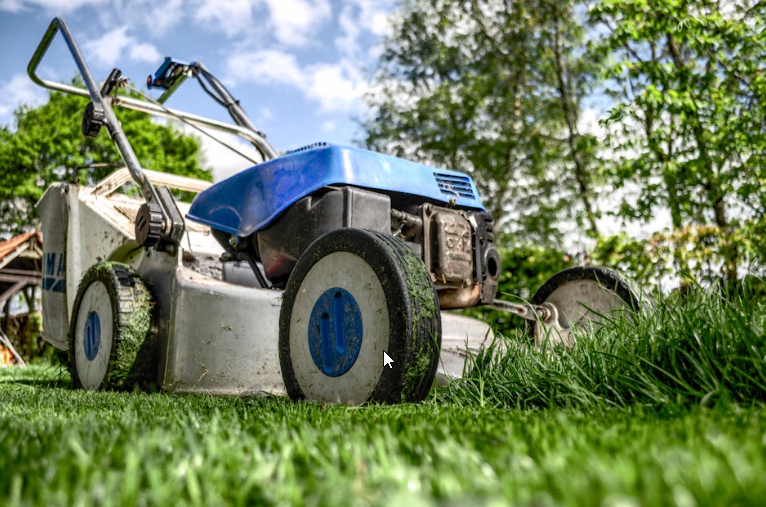
Shade lawns need every advantage to capture available light. Raising mower height by a half-inch allows grass blades to maximize photosynthesis from limited sunlight. Most shade-tolerant grasses perform best when cut to 3-3.5 inches rather than the standard 2.5-inch suburban height.
This adjustment requires homeowners to mow more frequently during peak growing seasons, as longer grass tends to mat down if allowed to grow too tall between cuts.
Soil Preparation for Brownstone Backyards
Clearing Construction Debris and Compacted Fill
Successful lawn establishment in Carroll Gardens begins below ground. Most brownstone yards contain layers of construction debris from decades of renovations—broken concrete, old mortar, buried pipes, and compacted fill dirt that prevents proper drainage and root penetration.
Professional soil preparation involves removing the top 6-8 inches of existing material and replacing it with quality topsoil mixed with compost. This process typically requires manual labor due to narrow access through garden-level doors or side gates, making debris removal one of the most labor-intensive aspects of brownstone lawn installation.
Drainage Solutions for Enclosed Urban Spaces
Poor drainage is a significant factor in the failure of urban lawns, often as detrimental as, if not more so than, lack of sunlight. Carroll Gardens' enclosed yards often lack natural runoff, causing water to pool during heavy rains. Installing French drains, improving surface grading, or adding organic matter to increase soil permeability becomes necessary for long-term grass health.
Simple solutions include creating subtle slopes toward existing drains and incorporating organic matter like compost into heavy clay soils to improve permeability. More complex drainage systems may require professional installation, especially in yards with below-grade access or existing hardscaping.
Maintenance Strategies for Shade Lawns
1. Infrequent, Deep Watering for Shade Lawns
Shade lawns require completely different watering schedules from sunny grass. The reduced evaporation in enclosed, shaded spaces means less frequent watering, but when water is applied, it should penetrate deeper to encourage strong root development.
Overwatering represents the biggest mistake in shade lawn care. The slower evaporation rates in confined brownstone yards can lead to constantly moist soil that encourages fungal diseases and weakens grass root systems. Professional landscapers recommend watering deeply once or twice per week rather than light daily applications.
2. Reduced Fertilizer Application Guidelines
Shade grass grows more slowly and requires fewer nutrients than sun-loving varieties. Standard fertilization schedules often overfeed shade lawns, leading to weak, spindly growth that becomes more susceptible to disease and wear damage.
Slow-release fertilizers applied at half the recommended rate work better for most Carroll Gardens shade situations. Fall fertilization proves more beneficial than spring feeding, as cooler temperatures and increased rainfall help nutrients penetrate without burning stressed grass.
3. Light Management Through Pruning
Strategic pruning of overhanging tree branches and tall shrubs can dramatically improve light penetration to struggling lawn areas. Even small increases in filtered sunlight—from two to four hours daily—can transform a failing grass area into a moderately successful lawn.
Professional tree services can safely remove lower branches that block morning or late afternoon light without damaging valuable mature trees. Clearing accumulated leaf litter and debris also improves air circulation and reduces disease pressure on struggling grass.
When to Choose Synthetic Turf Over Natural Grass
Mixed Sun-Shade Scenarios
Professional landscape designers increasingly recommend synthetic turf for Carroll Gardens yards with extreme light variation. Areas that receive morning sun but deep afternoon shade, or spaces with constantly shifting light patterns from surrounding buildings, often struggle to support consistent natural grass coverage.
High-quality synthetic turf provides a uniform appearance year-round and eliminates the patchy, thin appearance common in challenging shade conditions. The initial installation cost exceeds that of natural grass, but it eliminates ongoing fertilization, seeding, and pest control expenses.
High-Traffic Family Use Areas
Small brownstone yards that serve as primary outdoor spaces for active families often cannot support natural grass regardless of light conditions. Children's play areas, pet exercise zones, and entertainment spaces receive too much concentrated use for most shade-tolerant grass varieties to survive.
Synthetic turf designed for residential use can withstand heavy foot traffic while maintaining a consistent appearance. Combined with border plantings of shade-loving perennials and strategic hardscaping, artificial grass creates functional outdoor rooms that require minimal maintenance.
Low-Maintenance Groundcover Alternatives
For homeowners who prefer natural plantings but recognize the limitations of grass in their specific conditions, several groundcover options thrive in Carroll Gardens' challenging environments. Pachysandra, wild ginger, and various sedge varieties create green coverage that tolerates deep shade and requires minimal care once established.
Moss gardens offer another natural alternative that actually prefers the damp, shaded conditions where grass fails. Rather than fighting moss growth, some landscape designers accept it as a low-maintenance, soft groundcover that complements the historic character of brownstone neighborhoods.
Combining different groundcovers creates visual interest while accommodating varying light and moisture conditions within a single small yard. Strategic placement of stepping stones or small paved paths maintains accessibility while protecting delicate plantings from foot traffic.
Green Pocket NYC Delivers Proven Solutions for Your Shaded Yard
The key to successful shade lawn management lies in honest assessment of your specific conditions and realistic expectations for maintenance commitments. Carroll Gardens homeowners benefit most from landscape professionals who understand the unique challenges of urban brownstone yards and can recommend solutions based on actual growing conditions rather than generic lawn care advice.
Professional soil preparation, appropriate grass selection, and ongoing maintenance adjusted for shade conditions can create functional lawn areas even in challenging Carroll Gardens backyards. However, many homeowners find greater satisfaction with mixed approaches that combine small lawn areas with hardscaping, groundcovers, and strategic plantings designed for their specific light and usage patterns.
For Carroll Gardens homeowners ready to transform their challenging backyard into a beautiful, functional outdoor space, Green Pocket NYC connects you with trusted local landscape professionals who specialize in Brooklyn brownstone yards and understand exactly what works in these unique urban environments.