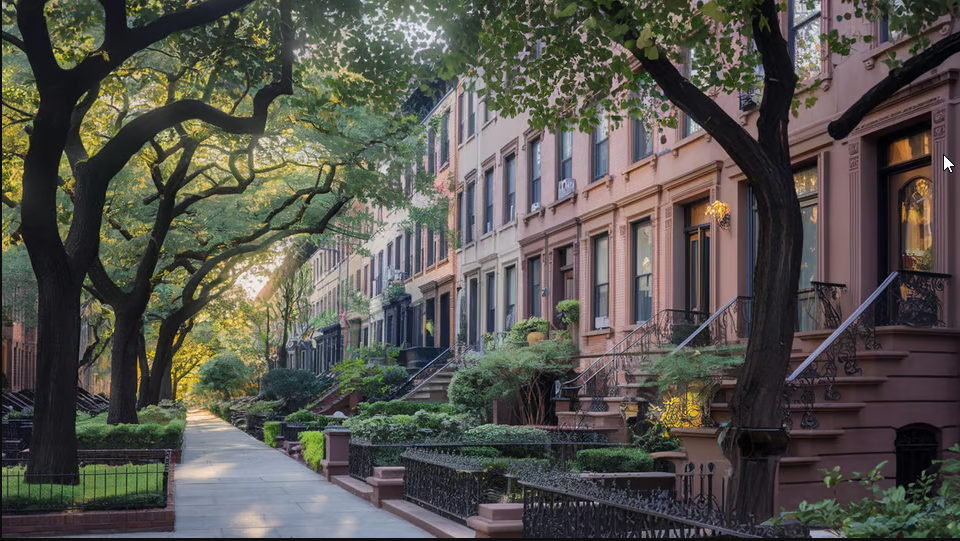
Working on a Fort Greene brownstone garden? The neighborhood's 1978 historic district designation covers over 1,000 buildings, creating unique challenges for families wanting functional outdoor spaces. From navigating preservation rules to choosing shade-tolerant plants for north-facing facades, discover what actually works in these iconic Brooklyn gardens.
Key Takeaways
- Fort Greene's historic district guidelines require careful plant and material selection that complements 1860s brownstone architecture while meeting modern family needs
- Shade-tolerant plantings like boxwood, hydrangeas, and hostas thrive in north-facing front gardens without overwhelming original ironwork details
- Hardscape-first backyard designs using classic materials like bluestone and brick create durable, kid-friendly spaces that honor historic character
- Professional guidance becomes essential when working around landmark preservation rules and established tree canopies
Fort Greene's tree-lined streets showcase some of Brooklyn's most stunning 19th-century brownstones, but creating beautiful gardens around these architectural gems requires a delicate balance. The neighborhood's historic district designation, established in 1978, protects over 1,000 buildings—mostly Italianate and Neo-Grec brownstones built between 1855 and 1875. Today's homeowners want outdoor spaces that work for modern family life while respecting the architectural heritage that makes Fort Greene so distinctive.
The challenge isn't just aesthetic—it's practical. These historic homes often feature north-facing facades, established street trees creating deep shade, and compact outdoor spaces that must serve multiple functions. Green Pocket NYC specializes in helping Brooklyn brownstone owners work through these unique design challenges, connecting them with landscape professionals who understand both historic preservation requirements and contemporary urban living needs.
Unlike suburban landscaping, Fort Greene gardens must work within existing constraints: narrow planting strips, below-grade areaways, and the watchful eye of preservation guidelines. The most successful projects honor the neighborhood's 1860s character while creating spaces where families can actually relax, entertain, and enjoy outdoor living.
Front Stoop Landscaping That Honors 1860s Architecture
1. Shade-Tolerant Plants for North-Facing Brownstones
Most Fort Greene brownstones face north, creating challenging growing conditions that many homeowners struggle to address. The key lies in working with shade-loving plants that provide structure and seasonal interest without fighting the light conditions. Boxwood remains the gold standard for historic brownstone gardens—its compact growth habit and year-round structure complement rather than compete with original ironwork details.
Hydrangeas offer the perfect balance of classic appeal and modern practicality. Panicle varieties like 'Limelight' and 'Little Lime' thrive in partial shade and provide months of flower interest, transitioning from green to white to soft pink as seasons change. For groundcover, hostas, heuchera, and hardy ferns create lush carpets that handle foot traffic while softening harsh edges between hardscape and building facades.
2. Container Strategies That Complement Historic Ironwork
Terracotta and dark fiber-clay containers work beautifully against brownstone facades, echoing the warm earth tones of the architecture itself. The trick is choosing sizes that feel substantial but don't overwhelm narrow planting strips. Large containers—24 inches or wider—create more impact than clusters of small pots while requiring less frequent watering in Brooklyn's often harsh urban conditions.
Strategic container placement can highlight rather than hide architectural features. Position planters to frame entry stairs, emphasize the rhythm of basement windows, or draw attention to restored iron railings. Seasonal plantings in containers allow for color changes throughout the year while maintaining the evergreen structure that gives historic gardens their timeless appeal.
3. Landmark Preservation Rules for Front Garden Changes
The New York City Landmarks Preservation Commission oversees changes to historic district properties, including front gardens, stoops, and fencing. Most planting and container arrangements don't require permits, but significant alterations—new fencing, paving changes, or modifications to existing ironwork—typically do need approval.
The good news is that thoughtful plant selections and container gardens rarely conflict with preservation guidelines. The key principle is maintaining visual access to original architectural details. Keep plantings below railing height, use materials that complement rather than compete with existing stonework, and focus on enhancing rather than altering the streetscape character that defines Fort Greene's appeal.
Transforming Tiny Fort Greene Backyards into Family Sanctuaries
1. The Hardscape-First Approach for Kid-Friendly Spaces
Fort Greene families need backyards that can handle basketball, bikes, and barbecues—a far cry from delicate Victorian garden rooms. The most successful transformations start with durable hardscape covering 70-80% of the space, using materials that echo the neighborhood's historic character. Bluestone and reclaimed brick create surfaces tough enough for active kids while maintaining the classic Brooklyn aesthetic.
A Cobble Hill project by Brook Landscape demonstrates this approach perfectly: nearly the entire backyard is paved in bluestone, allowing space for kids to play while softening the edges with carefully chosen plantings. Built-in benches and planters serve double duty, providing seating for adults while containing plants that might otherwise get trampled during family activities.
2. Vertical Solutions for Shaded Urban Lots
When ground space is limited and light is filtered by surrounding buildings, vertical gardening becomes necessary. Climbing hydrangeas and clematis can transform blank brick walls into green backdrops without requiring ground space. Multi-stem trees like serviceberry or hornbeam provide height and screening while maintaining narrow footprints perfect for tight urban lots.
Wall-mounted planters and tiered container arrangements maximize growing space without sacrificing valuable floor area. These solutions work especially well in Fort Greene's typical narrow backyards, where every square foot counts for family activities but residents still crave the softening effect of plants and seasonal color.
3. Period-Appropriate Materials That Handle Modern Use
The secret to successful historic garden design lies in choosing materials that look authentically period while meeting contemporary durability standards. Reclaimed brick and weathered bluestone provide the right visual weight and patina, while modern installation techniques ensure they'll handle decades of family use without constant maintenance.
Cedar fencing and simple wooden benches age gracefully in urban environments while providing the clean lines that work best in small spaces. Avoid overly ornate Victorian details that might seem appropriate but actually compete with the architectural integrity of the brownstone itself—simplicity often reads as more authentic than elaborate reproduction elements.
Low-Maintenance Plant Palettes for Brooklyn's Historic Blocks
Year-Round Structure with Classic Brooklyn Evergreens
Fort Greene's best gardens maintain their appeal through Brooklyn's long winters, relying on evergreen plants that provide structure when deciduous trees are bare. Boxwood, inkberry holly, and dwarf conifers create the backbone that makes a garden feel intentional rather than accidental. These plants also require minimal care once established—a key consideration for busy professionals who want beautiful outdoor spaces without weekend maintenance marathons.
The key is layering evergreens at different heights and textures. Low boxwood hedges define pathways and planting beds, while taller holly or yew varieties provide privacy screening. Small evergreen trees like dwarf blue spruce or Japanese umbrella pine add vertical interest without overwhelming narrow lots or blocking light from neighboring properties.
Seasonal Color That Survives Urban Conditions
Brooklyn's urban environment demands tough plants that can handle salt, pollution, and occasional neglect while still providing the seasonal interest that makes gardens enjoyable. Hardy perennials like ornamental grasses, astilbe, and epimedium offer reliable performance with minimal input. Spring bulbs—daffodils, crocuses, and alliums—naturalize over time, creating bigger displays each year with no additional effort.
For summer color in shaded conditions, impatiens and begonias in containers provide flexibility and extended bloom. The advantage of container plantings in historic districts is the ability to refresh seasonal displays without disturbing established plantings or potentially conflicting with preservation guidelines that might apply to permanent landscape changes.
Working Through Fort Greene's Unique Design Challenges
1. Working Around Existing Tree Canopy and Root Systems
Fort Greene's mature street trees create the neighborhood's distinctive character but present real challenges for garden design. Large root systems extend far beyond trunk bases, limiting where new plantings can succeed and making soil improvement difficult. The solution lies in working with rather than against these established systems.
Shallow-rooted plants and container gardens allow for beautiful landscapes without competing with tree roots for space and nutrients. When in-ground planting is possible, focus on areas at least 10 feet from large tree trunks and improve soil gradually with compost and organic matter rather than attempting major excavation that could damage roots.
2. Drainage Solutions for Below-Grade Areaways
Many Fort Greene brownstones feature below-grade areaways—sunken front yards that create private garden spaces but often struggle with water drainage. Poor drainage leads to soggy soil conditions that kill most plants and create maintenance headaches for homeowners. Effective solutions typically involve improving soil structure and creating pathways for excess water to move away from foundations.
French drains and permeable paving materials help manage water flow while maintaining the historic character these spaces require. Raised planting beds with proper drainage layers allow for healthy plant growth even in areas that historically stayed wet. These technical solutions require professional installation but transform problem areas into garden assets.
3. Balancing Privacy with Historic Sightlines
Fort Greene's appeal partly derives from its consistent streetscape—the rhythm of stoops, railings, and front gardens creates a cohesive neighborhood character that residents want to preserve. However, families also need privacy for outdoor living, especially in compact backyards where neighbors are close. The challenge is creating a screening that provides intimacy without disrupting the open, connected feel that makes historic districts special.
Layered plantings work better than solid barriers for achieving privacy while maintaining neighborhood character. A combination of small trees, tall shrubs, and climbing plants creates effective screening that feels natural rather than defensive. Strategic placement of seating areas and activity zones can also maximize privacy by taking advantage of existing architectural features and mature plantings.
When to Call Brooklyn Professionals Who Understand Historic Districts
While container gardening and seasonal plantings are well within most homeowners' abilities, certain Fort Greene garden projects require professional expertise. Drainage issues, soil improvement in compacted urban lots, and major hardscape installations need specialized knowledge and equipment. More importantly, professionals familiar with historic district requirements can work through preservation guidelines and ensure projects enhance rather than detract from neighborhood character.
Significant front garden changes, anything involving existing ironwork or stonework, and projects requiring permits definitely warrant professional consultation. Even for simpler projects, professionals can often achieve better results more efficiently than DIY approaches, especially when dealing with challenging growing conditions common in urban historic districts.
Finding Trusted Garden Professionals for Your Historic Brownstone
Fort Greene homeowners need landscape professionals who understand both horticulture and historic preservation—a combination that's not always easy to find. The best professionals will ask about preservation guidelines, respect existing architectural features, and suggest solutions that enhance rather than compete with the building's historic character. They should also understand the practical realities of urban gardening: limited space, challenging growing conditions, and the need for low-maintenance solutions that fit busy lifestyles.
Look for professionals with experience in Brooklyn's historic neighborhoods who can provide references from similar projects. They should be comfortable working within the constraints that make historic district gardening challenging—and exciting. The right professional will see these constraints as design opportunities rather than limitations, creating gardens that feel both historically appropriate and thoroughly contemporary.
For Fort Greene homeowners ready to transform their outdoor spaces while honoring their brownstone's historic character, Green Pocket NYC connects you with trusted garden professionals who specialize in Brooklyn's unique brownstone landscape challenges.